10 Best Chocolate Machines for Commercial Production

Choosing the right Chocolate machine can determine whether a commercial line runs smoothly or struggles with every batch. Production managers must examine tempering accuracy, deposit weight, cooling stability, cleaning access, energy use, and after-sales support. A glossy brochure cannot reveal everything.

Chocolate-processing specialist Dr. Ewald Notter observes, “Chocolate is both an art and a science.” His point applies directly to equipment selection. A machine may offer advanced controls, yet poor temperature discipline can still produce dull surfaces, fat bloom, or soft shells. Small details matter. A warm transfer belt can change results.

This guide examines ten Chocolate machine options for commercial production, from compact tempering units to continuous enrobing and molding systems. Each choice should match the factory’s recipe, output target, labor skills, and available floor space. A 50-kilogram batch machine may suit a growing workshop, but it may become a bottleneck during seasonal demand. Bigger is not always better.

Reliable evaluation also requires practical testing. Ask suppliers for sample runs using your actual chocolate, inclusions, molds, and packaging speed. Check noise levels, washdown procedures, spare-part availability, and operator training. These points are easy to overlook.

There is no perfect machine.

Even experienced manufacturers can misjudge future demand. That is why this comparison considers measurable performance, real operating conditions, and possible limitations. The strongest investment is not necessarily the fastest model. It is the Chocolate machine that delivers repeatable quality without making daily production unnecessarily complicated.
10 Best Chocolate Machines for Commercial Production

What Commercial Chocolate Machines Are Designed to Do

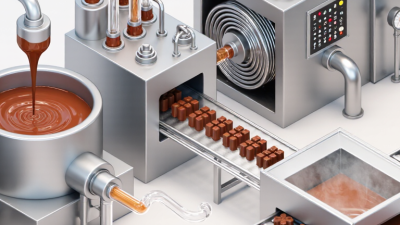
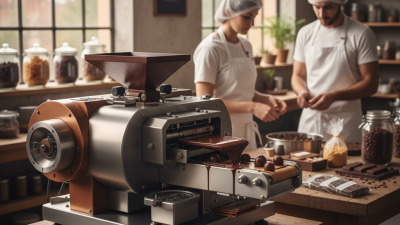
Commercial chocolate machines are designed to turn a controlled recipe into repeatable production. Their work begins with melting, where chocolate reaches a stable fluid state without scorching. Tempering systems then manage heating and cooling to create a firm snap, smooth gloss, and stable structure. Small temperature errors can cause streaks, dull surfaces, or soft pieces.

Different machines handle different production stages. Refining equipment reduces particle size for a smoother mouthfeel. Molding systems deposit measured portions into prepared cavities, while cooling tunnels set products under controlled temperatures. Enrobing lines cover bars, biscuits, and fillings with an even chocolate layer. Some systems also include vibration tables, automatic filling units, and cleaning-friendly product paths.

Consistency matters.

In practical facilities, operators check chocolate temperature, viscosity, belt speed, and cooling conditions throughout the shift. A machine may be rated for high output, yet the actual result depends on recipe thickness, room temperature, and staff training. Sanitary stainless-steel surfaces, accessible contact parts, and documented maintenance support safer production. Machines should also allow accurate portion control, because small weight variations become costly across thousands of pieces.

Automation does not correct every problem. Poorly prepared chocolate still produces poor results. I would also question any equipment plan based only on advertised capacity. Energy use, changeover time, spare parts, and cleaning labor can affect productivity more than maximum speed. A reliable setup matches the product, production volume, and operator skill level.

How to Evaluate Machines for Commercial Chocolate Production

Choosing among the 10 best chocolate machines for commercial production requires more than comparing output figures. Start with the product itself. Dark chocolate, milk chocolate, filled pieces, and nut-based recipes behave differently during processing. Check the machine’s working range, tempering accuracy, deposit weight, and cooling performance. A small temperature drift can create dull surfaces, weak snaps, or unstable texture.

Capacity should match realistic demand, not optimistic sales forecasts. Measure hourly output during a trial using your actual recipe. Watch how quickly the machine recovers after loading new chocolate. Ask operators to clean the hopper, pumps, pipes, and molds. Difficult access often becomes expensive downtime. It matters.

Reliable evaluation also includes energy use, noise, floor space, and maintenance support. Review food-contact materials, guarding, emergency controls, and sanitation procedures against applicable local requirements. Request service intervals and spare-part availability in writing. A low purchase price may hide costly heating elements, seals, or specialist repairs. I once underestimated changeover time; the production plan looked efficient until cleaning consumed nearly an entire shift.

Do not judge automation by appearance alone. Test whether staff can adjust recipes without constant engineering help. Examine temperature records, alarm history, and data export options. Ask for references from facilities with similar batch sizes. Independent inspection is worthwhile before payment. Machines can perform beautifully during demonstrations. Production floors are less forgiving. A careful trial may reveal limitations, yet that information is exactly what protects your investment.

The Ten Best Chocolate Machines by Production Function

Commercial chocolate production works best when each machine matches a specific production function. A melting tank liquefies chocolate evenly and prevents scorching. A holding tank keeps the mixture warm between processing stages. A tempering machine controls crystal formation, giving chocolate a glossy finish and clean snap. A moulding line fills bars, figures, and filled pieces with consistent weight. A vibrating table removes trapped air from moulds. A cooling tunnel sets products gradually without dull surfaces.

An enrober coats biscuits, centres, or confectionery with a controlled chocolate layer. A chocolate depositor places precise amounts into moulds or onto trays. A refiner or grinder reduces particles, improving mouthfeel and texture. A packaging machine seals finished products and supports hygienic handling. These are ten strong machine choices by production function. In my experience, output speed matters, but temperature stability matters more. A fast line can still produce uneven shells, soft edges, or cracked coatings. That lesson is easy to underestimate.

Tips: Test machines with your actual recipe, not plain chocolate alone. Check cleaning access, energy use, calibration, and spare-part support. Record temperatures at several points during a shift. Small variations often reveal larger maintenance problems. Do not size equipment only for today’s orders. Growth can expose weak cooling capacity, limited storage, or inaccurate dosing. A practical trial may also challenge your original equipment plan.

10 Best Chocolate Machines for Commercial Production - The Ten Best Chocolate Machines by Production Function
No. Machine Type Typical Production Capacity Typical Operating Range Primary Production Function Best Suited For
1 Chocolate Melting Tank 50–2,000 kg per batch 40–60°C Melts solid chocolate or compound coating and keeps it fluid before tempering, depositing, molding, or enrobing. Small to large production lines that require stable heating and holding capacity.
2 Continuous Chocolate Tempering Machine 50–2,000 kg per hour 27–32°C chocolate outlet range Controls cooling and reheating to form stable cocoa-butter crystals, improving gloss, snap, and resistance to blooming. High-volume molding, enrobing, shell-making, and bar production.
3 Chocolate Refiner-Conche 100–2,000 kg per batch 45–80°C, depending on recipe Reduces particle size and develops flavor, texture, and moisture balance in chocolate mass. Manufacturers producing chocolate from cocoa liquor, sugar, milk powder, and cocoa butter.
4 One-Shot Chocolate Depositor 30–600 kg per hour 28–33°C for tempered chocolate Deposits the chocolate shell and filling in one operation, reducing the need for separate shell molding and filling steps. Filled pralines, cream-centered chocolates, ganache products, and multi-layer pieces.
5 Chocolate Molding Line 100–2,000 kg per hour 28–32°C for tempered chocolate Deposits chocolate into molds, vibrates out air bubbles, cools the pieces, and assists with demolding. Bars, tablets, hollow figures, seasonal shapes, and solid molded pieces.
6 Chocolate Enrober 100–1,500 kg per hour 28–32°C chocolate curtain range Covers biscuits, wafers, bars, centers, and confectionery pieces with a controlled layer of chocolate. Coated snacks and confectionery products requiring consistent bottoming and full or partial coverage.
7 Chocolate Cooling Tunnel 100–2,000 kg per hour 8–18°C zone range Gradually removes heat from molded or enrobed products to set the chocolate and prevent surface defects. Continuous lines where controlled cooling, product release, and appearance are important.
8 Chocolate Coating Pan 10–500 kg per batch 25–45°C, depending on coating Applies repeated layers of chocolate, compound coating, sugar, or polishing material to centers and inclusions. Panned chocolates, nuts, dried fruit, lentils, cereal pieces, and specialty confectionery.
9 Chocolate Bar Slab Former 100–1,000 kg per hour 28–32°C for tempered chocolate Forms chocolate into slabs or bars and can incorporate inclusions such as nuts, crisped rice, fruit, or cookie pieces. Standard bars, layered slabs, inclusion bars, and products cut after cooling.
10 Chocolate Ball Mill 100–2,000 kg per hour 40–60°C, depending on formulation Performs fine grinding and intensive mixing of chocolate ingredients in a compact continuous process. Efficient production of chocolate coatings, fillings, spreads, and compound chocolate formulations.

Capacity and temperature figures are typical commercial ranges. Actual performance depends on chocolate formulation, viscosity, product size, recipe solids, cooling conditions, and the required production layout.

How Melting, Tempering, Molding, and Enrobing Machines Differ

Commercial chocolate production depends on choosing the right machine for each stage. Melting machines gently liquefy solid chocolate, usually between 40°C and 50°C, without scorching delicate ingredients. They need steady heating, accurate temperature sensors, and easy-clean contact surfaces. Tempering machines do more. They control cooling and reheating to form stable cocoa butter crystals. Proper tempering creates a glossy finish, clean snap, and better resistance to fat bloom. Dark, milk, and white chocolate require different temperature curves.

Molding machines deposit measured chocolate into molds, then vibrate them to remove air pockets. Their value lies in portion accuracy and repeatable shapes. Enrobing machines cover centers with a controlled chocolate curtain. A wire mesh carries each piece through the coating zone, cooling tunnel, and final inspection area. Thickness depends on belt speed, chocolate viscosity, and blower settings. Small adjustments matter. A faster belt can leave thin edges. A weak cooling tunnel may cause dull surfaces or soft centers. One planning mistake is buying capacity before testing the recipe. Chocolate with nuts, fillings, or high cocoa butter content may behave unexpectedly. Production trials should measure temperature, throughput, coating weight, cleaning time, and rejection rates. Perfect results are not guaranteed. Operators still need training, careful records, and occasional process changes.

Which Chocolate Machine Setup Fits Each Production Scale

10 Best Chocolate Machines for Commercial Production

Which Chocolate Machine Setup Fits Each Production Scale?

A small chocolate business should avoid buying a full industrial line too early. Start with a heated melting tank, tabletop tempering machine, and compact depositor. This setup suits handmade bars, filled cups, and seasonal batches. Add a cooling cabinet when products begin sticking or losing their shine. Food-grade surfaces, removable parts, and accurate temperature probes matter more than impressive capacity. A slower machine can still protect quality.

Pilot production needs better control. A jacketed melter, continuous tempering unit, vibrating table, moulding machine, cooling tunnel, and basic enrober create a flexible seven-machine setup. Operators can test recipes without wasting large quantities. Keep batch records for chocolate temperature, room humidity, cooling time, and shell thickness. Small errors become expensive when fillings contain nuts, dairy, or fruit. Cleaning takes longer than expected.

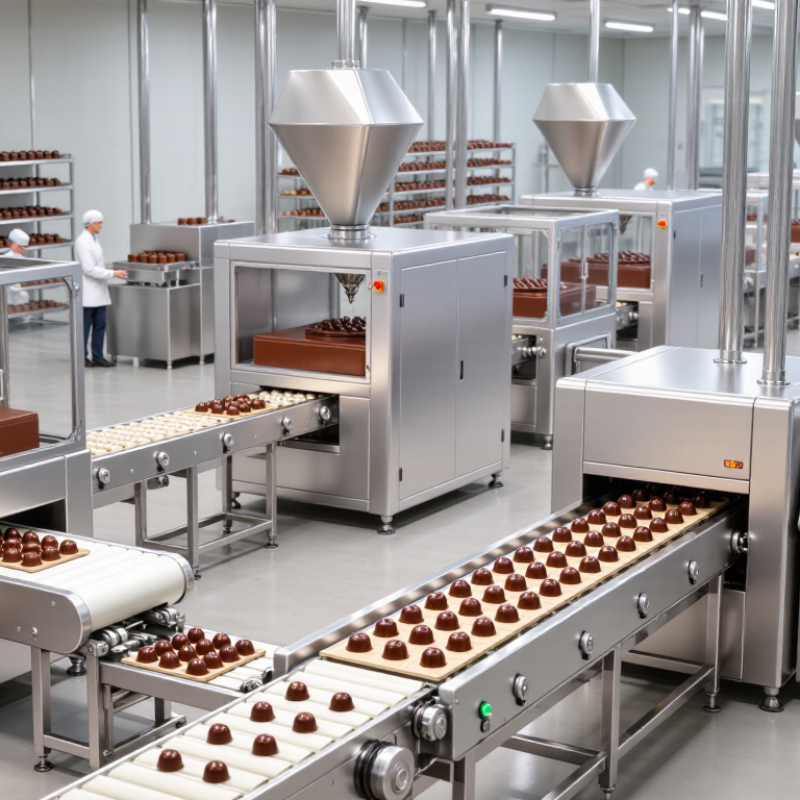
Medium and large factories require different planning. A larger melter, automatic tempering system, high-speed depositor, enrober, cooling tunnel, mould washer, and packaging line support consistent output. Add metal detection and controlled storage where applicable. Match every machine to the slowest stage, not the fastest one. I once underestimated cooling space during a scale-up trial; finished pieces waited too long before wrapping. That mistake affected gloss and texture. Bigger is not always better. A modular setup may cost more initially, but it allows maintenance without stopping the entire production floor. Safety guards, documented sanitation procedures, and trained operators should guide the final purchase.