Top Garage Storage Racks for Home and Business
Choosing the right Garage Storage Racks can transform a crowded garage into a safer, more useful workspace. Homeowners need room for bicycles, seasonal boxes, tools, and sports equipment. Businesses often require stronger systems for inventory, supplies, and frequent access. The best rack is not always the largest one. It must match the available wall or floor space, expected load, ceiling height, and daily workflow.
Aaron Cash, founder of Garage Living and a recognized garage storage specialist, says, “Good storage should make the garage work harder, not make daily life harder.” That principle matters here. A rack with adjustable shelves may suit changing household needs, while heavy-duty steel shelving can support organized business stock. Check the manufacturer’s load rating carefully. Weight should be distributed evenly, not piled in one corner. Wall anchoring, stable feet, and clear walking space also deserve attention.
Small details make a real difference. Measure around garage doors, vehicles, lighting, and electrical panels before buying. Leave enough clearance to reach a tool without moving three storage bins. Corrosion-resistant finishes help in damp garages, although no coating is completely maintenance-free. Inspect bolts and shelves occasionally. It is easy to overlook them.
No rack is perfect. A tall unit may save floor space but become awkward to access. A cheaper model may look attractive but bend under practical use. This guide compares top Garage Storage Racks for home and business, focusing on capacity, durability, installation, flexibility, and everyday usability. Performance matters. So does the way the rack feels after six months of real use.
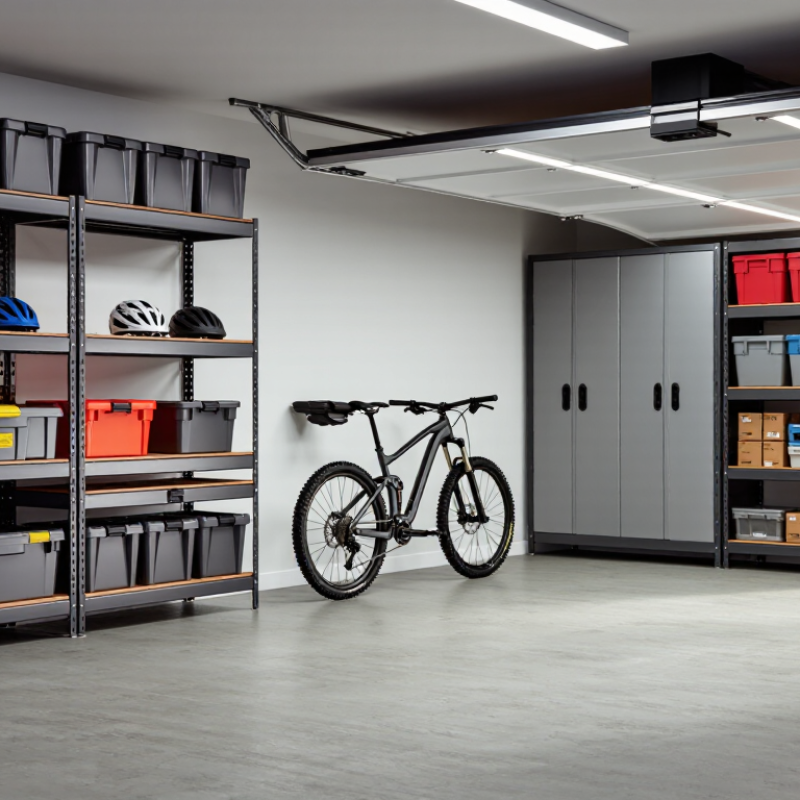
Garage Storage Rack Types and Their Best Uses
Top Garage Storage Racks for Home and Business
Garage storage racks should match the items they hold, not merely fill empty wall space. A freestanding rack suits boxes, tools, paint supplies, and seasonal equipment. Adjustable shelves help when storage needs change. Choose steel frames with levelers for uneven concrete floors. Check the stated load capacity for every shelf. Do not assume a strong-looking rack can carry unlimited weight.
Wall-mounted racks save floor space and work well for small garages or service rooms. They keep bins above the workbench and leave walking areas open. Install them into suitable structural supports, not thin wall panels. Overhead racks are useful for luggage, camping gear, and rarely used decorations. Keep heavy items at waist height. Lifting bulky containers overhead can create avoidable strain.
Corner racks use awkward spaces for small parts, folded ladders, or cleaning supplies. Mobile racks suit businesses that move tools between workstations. Wheels should lock firmly before loading. For humid garages, coated metal may resist surface corrosion better than untreated steel. Still, inspect joints and shelf clips regularly.
I have seen tidy racks fail because users ignored loose connections. That lesson is easy to overlook. A practical layout leaves clearance around doors, vehicles, and electrical equipment, while labels make shared storage faster to manage.
How to Choose the Right Rack for Your Space and Load
Top Garage Storage Racks for Home and Business
How to Choose the Right Rack for Your Space and Load
Choosing a garage rack starts with measurements, not appearance. Measure wall width, ceiling height, door swing, and walking clearance. Then weigh every stored item, including containers and tools. A rack rated for 1,000 pounds may require evenly distributed weight across each shelf. One heavy toolbox can distort that assumption.
The Rack Manufacturers Institute’s ANSI MH16.1 standard emphasizes design loads, connections, anchoring, and structural stability. Its guidance supports using visible load ratings and checking damaged frames before reuse. OSHA’s 2023 data recorded 5,283 fatal workplace injuries in the United States. Storage racks do not cause every incident, but unstable loads can create serious hazards. Select steel shelves for dense equipment. Choose adjustable levels for changing inventory. In damp garages, inspect coating damage and early rust.
Tips: Leave clearance near sprinklers, lights, and electrical panels. Anchor tall racks when the floor or wall allows it. Keep heavier bins below waist height. Never exceed the lowest component rating. A shelf may hold the load, while its beam connection cannot. That detail is easy to miss.
I have seen owners measure the rack footprint but ignore the loaded depth. Doors then hit bins, and aisles become awkward. Recheck access with the largest container installed. The “perfect” rack may still be wrong for daily movement.
Maintenance and Organization Tips for Home and Business Racks
A reliable garage rack begins with correct installation, not attractive storage bins. Check the wall, floor, and fasteners before loading anything. Concrete floors may need different anchors than timber walls. Keep heavy tools low, and place lighter seasonal items above shoulder height. Leave clear space around doors, electrical panels, and walkways.
Check the rack every month. Look for bent beams, loose bolts, chipped coating, or rust near damp floors. A small flashlight helps reveal hidden damage. Wipe dust from shelves before it mixes with oil or moisture. In a business garage, record each inspection date and note any repaired section. This simple log supports consistent maintenance and safer decisions.
Label every container on two sides. Use large, plain words such as “fasteners,” “painting tools,” or “winter equipment.” Group items by task, not only by shape. Store frequently used tools between waist and chest height. Return them after each job, even during a busy shift. I once arranged a rack by container size and regretted it; similar boxes hid critical parts. Reorganizing by use saved time. It also exposed one weak shelf that needed replacement. Leave room for growth. Overfilled racks invite poor lifting habits and make damage harder to notice. Weight limits still matter. Always follow the rack’s documented capacity, even when a shelf appears strong.
Top Garage Storage Racks for Home and Business
Typical rated shelf capacity by rack type for planning organized storage in residential and commercial spaces.
Maintenance and Organization Tips
The values shown are representative planning figures for commonly used rack categories; always confirm the exact load rating, beam spacing, and anchoring requirements for the specific rack.
- Keep heavier items on lower shelves and distribute loads evenly.
- Inspect frames, beams, braces, anchors, and fasteners regularly for damage or looseness.
- Keep aisles, exits, fire equipment, and electrical panels clear.
- Label shelves by item type and review stored materials periodically to remove unused stock.