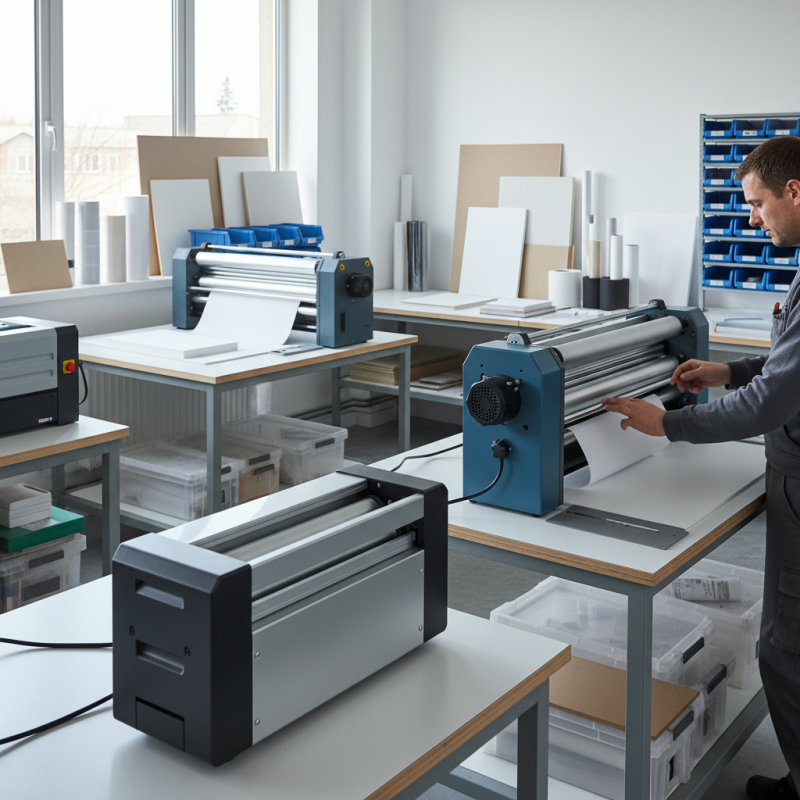
How to Choose the Best Roll Lamination Machine for Your Needs?
Choosing the right Roll Lamination Machine can significantly impact your production efficiency. Many factors come into play, from size to functionality. It can be overwhelming, especially for beginners.
When looking for a Roll Lamination Machine, consider your specific needs. Think about the thickness of the materials you will laminate. For some, the choice feels daunting. There are numerous options on the market. Confusion is common when trying to decide which features are essential.
Evaluate your workspace as well. Space constraints can limit your machine choice. A compact model may fit your needs better than larger ones. Remember that price is not everything. Sometimes, spending less can lead to disappointment later. It's vital to think about your long-term goals before making a decision. Reflect on your expectations and potential growth.
Understanding Roll Lamination: Key Features and Benefits
Roll lamination is an essential process in many industries. It enhances durability and enhances the visual appeal of materials. Understanding the key features and benefits of a roll lamination machine is crucial for making an informed choice.
One major benefit is protection. A roll lamination machine effectively shields documents from wear, moisture, and UV light. Reports indicate that laminated documents can last up to five times longer than non-laminated ones. This durability is particularly valuable for educational institutions and businesses that require long-lasting materials.
Another key feature is versatility. Many machines offer different film thicknesses and widths. This versatility allows users to laminate various materials. Users can choose between heavy duty films and lighter options based on their projects. However, understanding the specific requirements for different applications can be tricky. Choosing wrong might lead to wasted materials.
Additionally, efficiency plays a critical role. Advanced models can process multiple sheets simultaneously, improving productivity. Yet, they may come with a steep learning curve, making it essential for operators to receive adequate training. A machine that looks ideal on paper may not always fit well in practice. Careful research, including features that match specific needs, is crucial for a successful investment.
Assessing Your Production Needs: Speed, Volume, and Material Types
When selecting a roll lamination machine, evaluating your production needs is crucial. Speed, volume, and material types play a significant role in this process. Think about how quickly you need to complete tasks. High-speed machines can save time but may come with a higher price tag. Weigh the benefits against your budget carefully.
Consider your volume requirements too. If you have low to moderate production needs, a simpler model may suffice. However, for high-volume operations, investing in a more robust machine might yield better efficiency in the long run. Ask yourself: How often will I need to run large batches?
When it comes to material types, understanding the thickness and finish is essential. Some machines handle a wide range of materials, while others are more specialized. Experimenting with different materials may help you identify the best fit for your needs.
Tip: Keep in mind that choosing a machine that is too advanced for your requirements could lead to unnecessary complexity. On the other hand, a machine that falls short might hinder your production. Assess where you stand realistically and make adjustments as needed.
Tip: Regularly revisit your requirements. As your business grows, so do your production needs. What worked last year might not be suitable for next year. Stay flexible and open to change.
Evaluating Machine Specifications: Heat, Pressure, and Film Thickness
When selecting a roll lamination machine, key specifications play a crucial role. Heat control is vital. Many machines operate between 90°C and 150°C. This temperature range affects film adhesion and durability. Insufficient heat can lead to bubbles or peeling. A temperature that is too high might warp the materials being laminated.
Pressure is another critical factor. Machines vary in their pressure calibration. Some models exert between 100 to 300 psi. Correct pressure ensures even film application. If pressure is too low, films may not bond effectively. Conversely, excessive pressure could damage documents. Understanding your material’s requirements is essential for optimal results.
Film thickness is often overlooked but is significant. Commonly used films range from 1.5 mil to 10 mil. Thicker films provide more protection but require different operational settings. A mismatch can lead to complications. Investing in a machine that accommodates various thicknesses can enhance your flexibility. Many users notice that testing different settings improves the quality of the output.
Evaluating Machine Specifications: Heat, Pressure, and Film Thickness
Comparing Industry Brands: Reliability and Customer Support
When selecting a roll lamination machine, reliability is crucial. Industry reports indicate that up to 30% of lamination failures stem from equipment issues. It's important to assess how consistently a machine performs under varying workloads. Machines with higher reliability ratings tend to have longer operational lifespans and lower failure rates. Customer support is equally significant. A survey showed that 40% of users prioritize a brand's support services when making their purchasing decisions.
Choosing a machine isn't just about features. It's about the relationship with the manufacturer. Strong support can minimize downtime. A report highlighted that companies with robust customer service saw a 15% increase in production efficiency. Yet, not all brands deliver on support promises. Some customers report long response times, which can be frustrating. Researching reviews can reveal hidden issues that may not be apparent at first glance.
In terms of cost, investing in reliable machines might save money long-term. Machines that require frequent repairs can drain finances and morale. However, it’s also essential to reflect on what 'reliable' really means for your business. A high price doesn't always guarantee superior performance. Balancing cost, reliability, and support is key to choosing the right roll lamination machine for your needs.
Cost Analysis: Budgeting for Purchase, Maintenance, and Operation
When considering the purchase of a roll lamination machine, cost analysis is crucial. Budgeting for the initial purchase is just the beginning. You must also factor in ongoing maintenance costs. Regular upkeep ensures the machine runs smoothly and lasts longer. Neglecting maintenance can lead to costly repairs later on.
Tips: Always allocate funds for unexpected breakdowns. Set aside around 10-15% of the initial cost for this. It’s wise to consult industry experts on maintenance needs. They can offer insights tailored to your specific machine model.
Operation costs also add up. Consider the cost of laminating film and electricity. These expenses can vary widely. Tracking your usage can help. This tracking might reveal patterns to help in making adjustments. For example, buying in bulk can reduce film costs. Yet, ensure you have storage space.
Tips: Estimate your monthly film requirements based on previous projects. This practice prevents overbuying and waste. Assessing your operation’s efficiency can reveal potential savings. Small adjustments can lead to significant cost reductions over time.