What is a Damper Actuator and How Does It Work?
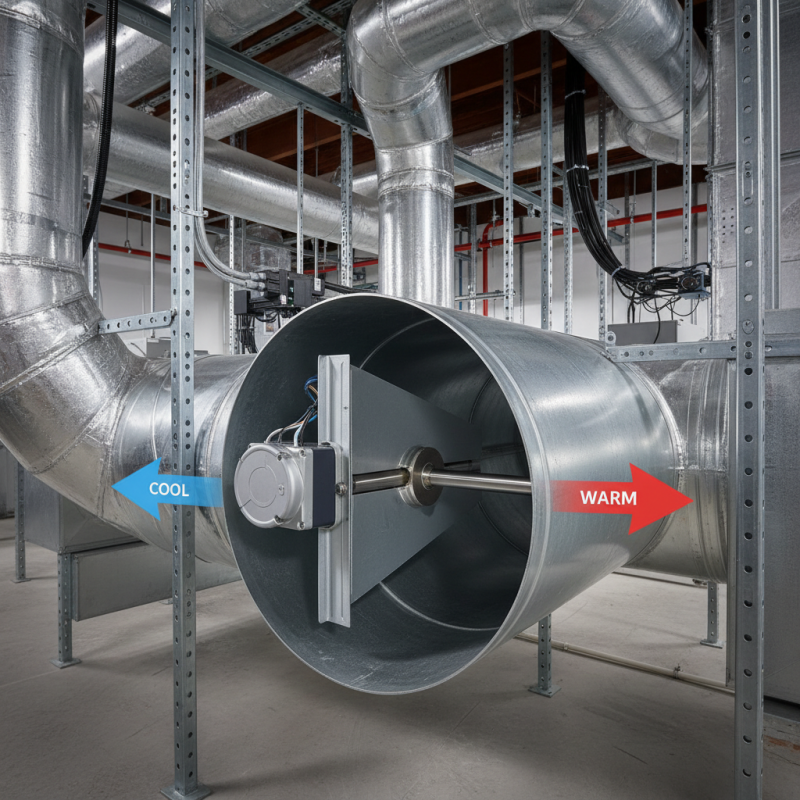
A Damper Actuator plays a crucial role in various HVAC systems. Understanding its function helps in optimizing air flow and enhancing energy efficiency. This device controls the opening and closing of dampers, which manage air movement in ducts.
Typically, a Damper Actuator operates through electrical signals. It can adjust airflow based on temperature settings or occupancy levels. Many people overlook the importance of this component. Without proper functioning, systems may fail to effectively regulate indoor air quality.
Also, improper installation and maintenance can lead to issues. If the actuator is not aligned correctly, it won’t function as intended. This might result in unnecessary energy consumption or inconsistent temperatures. Recognizing these flaws can lead to improved performance. Thus, understanding a Damper Actuator is vital for efficient HVAC operation and longevity.
What is a Damper Actuator? Definition and Classification
A damper actuator is a device that controls the movement of dampers in HVAC systems. These dampers regulate airflow in a building, ensuring proper ventilation. There are different types of damper actuators, including electric, pneumatic, and hydraulic. Each has its own mechanism and application.
Electric actuators are commonly used for their precision. They work by receiving signals from the HVAC control system. Pneumatic actuators rely on compressed air, which can be affected by air pressure fluctuations. Hydraulic actuators use liquid pressure for movement. Understanding these classifications helps in selecting the right actuator for specific needs.
Tips: Regular maintenance is crucial. Check for any wear and tear on the actuator. Clean the components to ensure optimal performance. Also, consider the actuator's power source when planning installations. An improperly chosen actuator can result in inefficiencies and increased energy costs. Always assess the surrounding environment, as conditions may affect actuator performance.
Types of Damper Actuators: Electric, Pneumatic, and Hydraulic
Damper actuators play a critical role in HVAC systems. They control airflow in ducts and are essential for energy efficiency. There are three main types of damper actuators: electric, pneumatic, and hydraulic. Each type has its own unique characteristics.
Electric actuators are the most common. They use motors to open or close dampers quickly. This type allows for precise control over airflow. However, they require electricity to operate. If there's a power failure, these actuators cannot function. That can lead to problems.
Pneumatic actuators function with compressed air. They are reliable in various environmental conditions. Still, if the air supply is interrupted, their performance drops.
Lastly, hydraulic actuators use fluid pressure to move dampers. They are powerful and can handle larger dampers. Yet, leaks in the hydraulic system can cause failures. Each actuator type has pros and cons, making selection critical.
Working Principle of Damper Actuators: Mechanisms and Control
Damper actuators play a crucial role in HVAC systems by controlling airflow. Understanding their working principle unveils their significance. These devices utilize mechanisms like electric motors or pneumatic systems for precise adjustments. They respond to signals from a central control unit, ensuring optimal indoor air quality. The global actuator market is projected to reach $38 billion by 2025, highlighting their demand.
The control mechanism largely hinges on feedback loops. Sensors detect temperature and pressure changes, sending information to the actuator. The actuator adjusts the damper position accordingly. This process is not flawless. Delays in feedback can lead to imbalances. A study indicates that miscalibrated actuators can decrease energy efficiency by up to 20%. Regular maintenance is essential for optimal performance.
Despite advances, challenges remain. Not all systems integrate effectively. Older buildings may struggle with modern actuators. Professionals often need to reassess installation techniques. The gap between home technology and efficiency goals requires focus. Continuous improvement in actuator design and integration is crucial to meet evolving industry standards.
Applications of Damper Actuators in HVAC and Industrial Systems
Damper actuators play a crucial role in HVAC and industrial systems. They regulate airflow by adjusting damper positions, ensuring optimal performance. In HVAC setups, these devices maintain indoor air quality and thermal comfort. By modulating airflow, they help prevent hot or cold spots in spaces.
In industrial environments, damper actuators control exhaust systems and process airflows. This function aids in the efficient operation of machinery. For example, a damper actuator may adjust the exhaust flow in a manufacturing plant, enabling better air quality. However, the reliability of these systems can sometimes be questioned.
Improper calibration or poor maintenance may lead to issues like increased energy consumption. Regular monitoring might be overlooked, which can complicate airflow management. It’s important to reflect on the effectiveness of these actuators. Continuous improvement in techniques and strategies is essential for achieving the best results in both HVAC and industrial applications.
Key Performance Metrics and Efficiency Standards for Damper Actuators
Damper actuators play a crucial role in regulating airflow in HVAC systems. They adjust and control dampers, ensuring optimal air distribution. Understanding their performance metrics is vital for improving efficiency.
Key performance metrics include response time, torque output, and operating range. Response time measures how quickly the actuator adjusts the damper. Ideally, this should be under five seconds. Torque output indicates the force the actuator can exert. It should match the damper’s requirements to function effectively. Operating range is also essential. It defines the positions the actuator can reach.
Efficiency standards for damper actuators are sometimes ambiguous. Energy loss during operation can be frustrating. Not all actuators perform consistently. Regular maintenance can help, but it requires periodic checks. Calibration may also need attention. Over time, performance may degrade, leading to higher energy costs. Understanding these issues is crucial for long-term efficiency.
Damper Actuator Performance Metrics
This chart illustrates the performance metrics of damper actuators based on key parameters such as response time, torque output, and power consumption. These metrics are crucial for evaluating efficiency standards and optimizing actuator performance in HVAC systems.