What is PVC Clear Sheet and its Uses in Various Industries?
PVC Clear Sheet is gaining traction across various industries due to its versatility and durability. This material, typically composed of polyvinyl chloride, offers clarity and flexibility. According to industry reports, the global PVC market is projected to reach $72 billion by 2025. This growth is driven by the rising demand in sectors like construction and packaging.
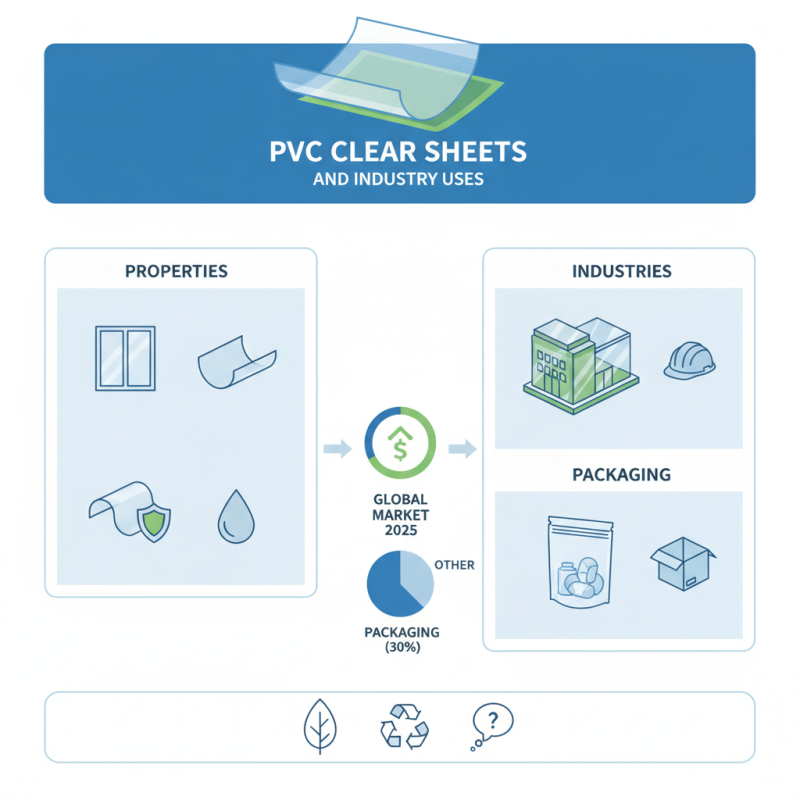
In the construction industry, PVC Clear Sheets are used for windows and roofing. Their lightweight nature and resistance to moisture make them ideal choices. In packaging, these sheets provide an attractive display while protecting the products inside. Reports indicate that the packaging sector is a major driver of PVC demand, accounting for nearly 30% of the market share.
While PVC Clear Sheets are incredibly useful, there are concerns about their environmental impact. The production of PVC can release harmful substances. Recycling options are limited, leading to waste issues. Industry stakeholders must reflect on sustainable practices to mitigate these concerns while maintaining the benefits of PVC Clear Sheets.
What is PVC Clear Sheet?
PVC clear sheet is a versatile material made from polyvinyl chloride. Its smooth surface and transparency make it an ideal choice in various applications. Many industries utilize PVC clear sheets for their durability and flexibility. Common uses include protective barriers, display cases, and sign banners.
One tip for working with PVC sheets is to always measure accurately before cutting. A well-planned cut prevents waste and ensures a perfect fit. Remember, the edges can be sharp, so handle with care. When using adhesives, select ones specifically designed for PVC to avoid damage.
In the construction industry, PVC clear sheets can act as effective weather barriers. They can also be used in aquariums, where clarity is critical. However, not all PVC sheets are created equal. Some may warp under high heat or sunlight. It's essential to choose the right type based on your needs and environment.
Composition and Characteristics of PVC Clear Sheet
PVC clear sheets are widely respected for their unique composition. Made from polyvinyl chloride, they exhibit excellent transparency and durability. The material consists of a polymer structure that provides strength and resistance to environmental factors. According to a report by Smithers Pira, the demand for PVC materials in various sectors is expected to grow by 3.5% annually. This indicates the importance of PVC products like clear sheets in today’s markets.
The characteristics of PVC clear sheets make them suitable for diverse uses. They are lightweight yet robust, with a thickness range typically between 0.5 mm to 5 mm. Their surface is smooth, providing a high-quality finish that attracts many industries. However, these sheets can also scratch easily, which may compromise their appearance. Additionally, the sheets are inherently resistant to UV light, making them ideal for applications like greenhouse covers. Yet, some users report challenges related to temperature sensitivity, where extreme heat can warp the sheets over time.
In the construction sector, PVC clear sheets serve as an excellent option for windows and partitions due to their insulating properties. A study by Global Industry Analysts notes that construction applications represent a significant portion of the market. Nonetheless, processing PVC requires careful handling, as the material can release harmful substances if not managed correctly. This highlights a need for improved methods in the industry.
Common Uses of PVC Clear Sheets in Various Industries
PVC clear sheets are versatile materials widely used across various industries. Their transparency allows for clear visibility while providing strong protection. In construction, these sheets are often used for roofing and walls. According to a recent industry report, the construction sector accounted for 38% of PVC clear sheet demand in 2022.
In the packaging industry, PVC clear sheets help protect products while showcasing them. They are often employed for food packaging, clamshell containers, and point-of-purchase displays. Reports indicate that around 25% of PVC usage comes from packaging, highlighting its importance in maintaining product quality. However, reliance on this material also raises sustainability concerns. Many companies face challenges in managing plastic waste effectively.
Healthcare is another critical sector that utilizes PVC clear sheets. They are used for medical packaging and protective barriers. A report suggests this use could grow by 15% annually, driven by increasing regulatory standards. Yet, the challenge remains in ensuring that the production of these sheets does not compromise environmental health. Addressing these concerns is vital for industries seeking sustainable practices that do not sacrifice quality.
Advantages of PVC Clear Sheets over Other Materials
PVC clear sheets have gained popularity in many industries due to their unique properties. One key advantage of PVC clear sheets is their durability. They resist impact, making them ideal for protective barriers in various settings. Additionally, these sheets remain stable over time, even when exposed to UV light. This ensures they won’t fade or become brittle.
Another notable benefit is the clarity of PVC sheets. This transparency allows for excellent visibility, making them suitable for display cases and windows. They are lighter than glass, which reduces the risk of breakage during handling. However, while PVC is versatile, it’s essential to consider its environmental impact. The production process can release harmful chemicals, so choosing the right supplier matters.
Moreover, PVC clear sheets are cost-effective. They often come at a lower price point compared to other transparent materials like acrylic or polycarbonate. However, they may scratch more easily. Users should weigh this against the benefits. In industries like construction and signage, these sheets serve well, but proper care is necessary to maintain their appearance.
Uses of PVC Clear Sheets in Various Industries
Environmental Impact and Recycling Options for PVC Clear Sheets
PVC clear sheets are widely used in various industries, but their environmental impact raises concerns. PVC, or polyvinyl chloride, poses challenges in terms of disposal and recycling. A report from the Ellen MacArthur Foundation indicates that only 9% of all plastic waste is recycled effectively. This statistic highlights a significant flaw in our current recycling systems.
When PVC sheets are disposed of improperly, they can contribute to environmental pollution. The manufacture of PVC also emits harmful chemicals. According to the International Agency for Research on Cancer, some additives used in production can be hazardous. This finding encourages a critical look at the materials we choose.
Tips: Always consider using recyclable materials when possible. Check local facilities for PVC recycling options. Connecting with recycling advocates can provide further resources. By choosing sustainable alternatives, we can positively influence the environment while still benefiting from materials like PVC clear sheets.
What is PVC Clear Sheet and its Uses in Various Industries?
| Industry | Common Uses | Environmental Impact | Recycling Options |
| Construction | Windows, doors, partitions | Potential toxicity during production | Recycling programs available |
| Healthcare | Protective barriers, medical packaging | Risk of chemical leaching | Some medical facilities recycle |
| Retail | Display cases, signage | Environmental pollution if not disposed properly | Recyclable where facilities exist |
| Manufacturing | Laminates, components protection | Energy-intensive production process | Recycling not widely practiced |
| Food Industry | Food packaging, containers | Chemical concerns in food safety | Limited recycling options available |