
Choosing a reliable 12v Rv Fridge can change the entire camping experience. It affects food safety, battery planning, and daily comfort. A warm drink is annoying. Spoiled food is worse.
The RV Industry Association reported strong recreational vehicle demand across recent market cycles, confirming that mobile living remains commercially important. Its industry reports also show how varied RV users have become, from weekend travelers to full-time occupants. That variety makes refrigerator selection less straightforward. A compact compressor model may suit a couple with solar power. A larger unit may better serve families, but it can consume more battery capacity.
Energy use deserves careful attention. The U.S. Department of Energy explains that appliance performance depends on operating conditions, temperature settings, and usage patterns. RV refrigerators face extra challenges, including hot campground temperatures, uneven parking surfaces, and limited ventilation. Laboratory figures rarely match a crowded campsite.
Real experience matters here. A fridge that claims low power consumption may still drain a small battery overnight. Door seals, insulation, thermostat accuracy, and compressor cycling can make a visible difference. Frost can also reduce usable space.
This guide compares ten leading options using capacity, cooling performance, energy demand, noise, durability, warranty support, and owner feedback. Manufacturer specifications provide a starting point, not a final answer. Some rankings remain debatable. That is useful.
No single 12v Rv Fridge wins every trip. The best choice depends on climate, travel length, battery storage, and cooking habits. Readers should verify current specifications before purchasing, because models and warranties can change.
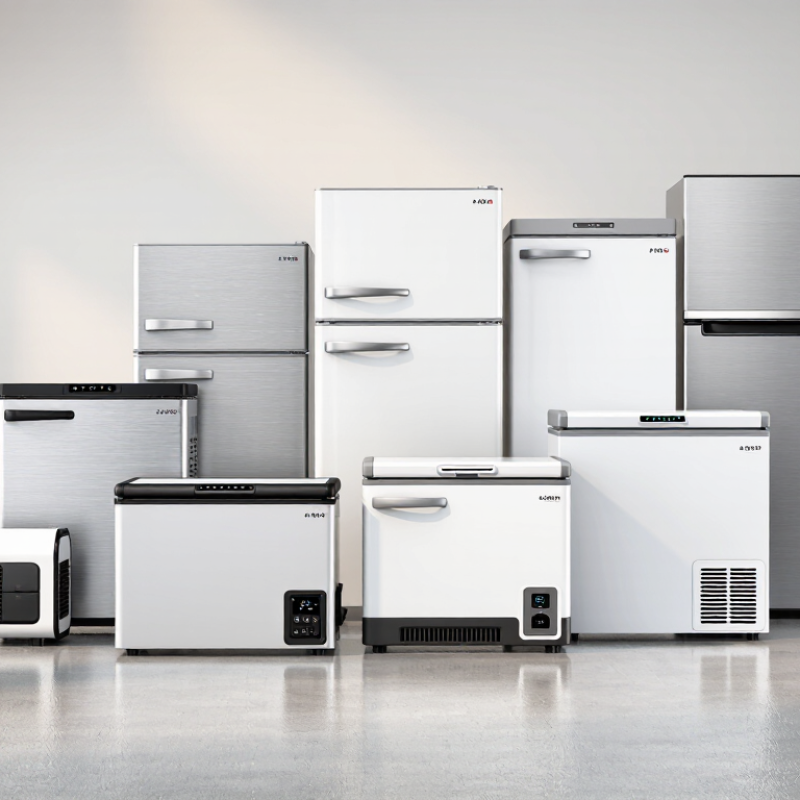
A 12V RV fridge is a compact refrigerator powered directly by a 12-volt battery system. Unlike absorption models, it uses a compressor to move heat from inside the cabinet to the outside. When the thermostat senses warmth, the compressor starts, creates pressure changes in the refrigerant, and releases heat through the rear coils. Cold air then remains inside the insulated compartment.
In practical use, energy demand changes with weather, cabinet size, and door openings. A small unit may consume about 30 to 60 amp-hours daily in warm conditions, but this figure is only a guide. During testing, frequent door opening raised consumption noticeably. Poor ventilation also made the compressor run longer. A correctly sized fuse, secure wiring, and adequate battery capacity are essential. The fridge should stay reasonably level, even though compressor designs tolerate movement better than absorption systems.
Tips: Pre-cool the fridge before leaving, and load already chilled food. Keep space around the ventilation area. Use a thermometer inside, because the built-in setting may not show the real temperature. Check battery voltage during the warmest part of the day. A solar system can help, but cloudy weather still requires a backup plan. A 12V fridge is efficient, though not magically low-power.
Choosing among the top 10 12V RV fridges starts with measuring your real travel habits. Check the cabinet opening, door swing, and available ventilation space. A fridge may fit the compartment but fail when its door cannot open fully. Capacity also matters. A compact unit suits weekend trips, while longer journeys need separate food and drink zones.
Power use deserves close attention. Compare the stated amp draw, daily energy consumption, and low-voltage protection. A reliable model should connect safely to a suitable battery system and include clear wiring instructions. During hot weather, poor ventilation can increase power demand. I have seen small fridges run constantly because warm air could not escape. That detail is easy to miss.
Cooling performance should remain stable on uneven roads and changing temperatures. Look for adjustable temperature control, strong door seals, interior lighting, and removable shelves. Noise matters at night, especially in a small sleeping area. Compressor cycling can be normal, but harsh vibration may suggest weak installation. Construction quality also affects reliability; inspect hinges, latches, handles, and drain access before purchase. Warranty terms and service support provide useful evidence of manufacturer confidence. Still, published test figures are not always measured under identical conditions. Leave room for doubt, and compare practical reviews with technical specifications.
Top 10 12V RV Fridges: Sizes, Capacities, and Main Strengths
The ten best 12V RV fridges differ mainly in size, storage design, and power efficiency. Compact models usually hold 35 to 50 liters, fitting under counters or inside small campers. They suit weekend trips, but their freezer space is often limited. Mid-size units commonly offer 60 to 100 liters, with separate cooling zones for drinks, vegetables, and frozen food. Larger models can exceed 130 liters. They provide household-style storage, although installation requires more space and stronger ventilation.
A compressor system usually delivers stable cooling in warm weather. That matters when the vehicle sits under direct sunlight. The most efficient models may use roughly 30 to 60 amp-hours daily, depending on temperature, insulation, and usage. Actual results vary. Opening the door repeatedly can change the numbers more than expected. Some units include reversible doors, adjustable shelves, battery protection, or low-noise operation. These features sound minor until space becomes tight.
Measure carefully.
During a practical comparison, check internal dimensions rather than relying only on listed capacity. A 70-liter fridge may waste space through thick walls or awkward shelving. Also inspect cable length, ventilation clearance, and compressor placement. I would not choose the largest option automatically. A smaller, well-insulated fridge may preserve food reliably and reduce battery pressure. Still, capacity claims can be optimistic, so independent testing and clear warranty terms deserve serious attention.
| Rank | Fridge Type | Typical External Size (W × D × H) | Net Capacity | Freezer Capacity | Input Voltage | Typical Daily Use | Main Strength | Best For |
|---|---|---|---|---|---|---|---|---|
| 1 | Single-Door Upright | 20–22 × 21–24 × 30–34 in 51–56 × 53–61 × 76–86 cm | 3.0–4.0 cu. ft. 85–113 L | 0.3–0.6 cu. ft. 8–17 L | 12/24 V DC | 25–45 Ah at 12 V | Balanced storage, compact footprint, and efficient compressor cooling. | Couples and small families |
| 2 | Two-Door Upright | 23–25 × 22–25 × 48–54 in 58–64 × 56–64 × 122–137 cm | 5.0–7.0 cu. ft. 142–198 L | 1.0–2.0 cu. ft. 28–57 L | 12/24 V DC | 35–65 Ah at 12 V | Large capacity with separate fresh-food and frozen-food storage. | Family RVs and longer trips |
| 3 | Drawer-Style Refrigerator | 21–24 × 23–25 × 20–25 in 53–61 × 58–64 × 51–64 cm | 2.5–4.5 cu. ft. 71–127 L | 0.2–0.5 cu. ft. 6–14 L | 12/24 V DC | 25–50 Ah at 12 V | Convenient access and excellent use of low cabinet space. | Camper vans and custom interiors |
| 4 | Portable Compressor Cooler | 23–30 × 14–18 × 14–17 in 58–76 × 36–46 × 36–43 cm | 35–55 qt 33–52 L | Single or dual zone | 12/24 V DC; often 100–240 V AC | 18–40 Ah at 12 V | Portable design, rapid cooling, and flexible installation. | Day trips, vans, and outdoor use |
| 5 | Compact Built-In Fridge | 18–21 × 19–22 × 27–32 in 46–53 × 48–56 × 69–81 cm | 2.0–3.0 cu. ft. 57–85 L | 0.2–0.4 cu. ft. 6–11 L | 12/24 V DC | 22–42 Ah at 12 V | Good cabinet compatibility and low ventilation requirements. | Small trailers and compact RVs |
| 6 | Dual-Zone Portable Fridge-Freezer | 28–36 × 16–19 × 17–20 in 71–91 × 41–48 × 43–51 cm | 50–75 qt 47–71 L | Two independently controlled zones | 12/24 V DC; often 100–240 V AC | 25–55 Ah at 12 V | Simultaneous refrigeration and freezing without ice. | Extended camping and bulk food storage |
| 7 | Slimline Upright | 18–20 × 20–23 × 42– fifty in 46–51 × 51–58 × 107–127 cm | 3.5–5.0 cu. ft. 99–142 L | 0.5–1.0 cu. ft. 14–28 L | 12/24 V DC | 30–55 Ah at 12 V | High vertical storage while preserving narrow aisle space. | Narrow camper layouts |
| 8 | Top-Opening Chest Fridge | 24–32 × 14–18 × 16–20 in 61–81 × 36–46 × 41–51 cm | 25–45 qt 24–43 L | Varies by configuration | 12/24 V DC; often 100–240 V AC | 15–35 Ah at 12 V | Low cold-air loss when opened and strong off-grid efficiency. | Boondocking and limited battery systems |
| 9 | Under-Counter Refrigerator | 22–24 × 22–24 × 32–35 in 56–61 × 56–61 × 81–89 cm | 3.0–4.5 cu. ft. 85–127 L | 0.3–0.7 cu. ft. 8–20 L | 12/24 V DC | 25–50 Ah at 12 V | Convenient countertop height and practical built-in storage. | Kitchenettes and medium-size RVs |
| 10 | Personal-Size Portable Fridge | 17–23 × 12–16 × 13–16 in 43–58 × 30–41 × 33–41 cm | 15–25 qt 14–24 L | Small freezer compartment or no freezer | 12/24 V DC; often 100–240 V AC | 10–25 Ah at 12 V | Lightweight, easy to move, and suitable for individual food storage. | Solo travelers and supplemental cooling |
Note: Dimensions, capacities, and energy-use figures are representative ranges for common 12V compressor RV refrigerator configurations. Actual specifications vary by insulation, ambient temperature, thermostat setting, ventilation, and installation.
Choosing a 12V RV fridge starts with your travel pattern, not its advertised capacity. The RV Industry Association reported 313,174 wholesale RV shipments in 2023, showing how varied mobile living has become. A weekend camper may need 40–60 liters, while a family traveling for weeks may need 80 liters or more. Short trips need less. Measure first.
Check the fridge’s real current draw, ventilation space, and compressor duty cycle. A unit drawing 4 amps at 12 volts uses 48 watts while running. If it runs 40% of the day, consumption approaches 460 watt-hours daily, before startup losses. Your battery should cover that demand alongside lights, water pumps, and electronics. The U.S. Department of Energy warns that poor ventilation and high ambient temperatures can increase refrigerator energy use. Summer parking matters.
My first mistake was choosing capacity before checking recovery time. A full fridge can hold cold longer, but it also needs more energy after loading warm food. Solar input changes by season and location; never size the battery from panel ratings alone. Compare measured daily watt-hours, usable battery capacity, and charging time. I would also leave a safety margin of 20–30%. It feels excessive, yet cloudy afternoons and aging batteries are easy to underestimate.
Match refrigerator capacity with your travel style and available battery power.
The chart uses representative compressor refrigerator configurations from 18 L to 75 L. Daily consumption is shown in amp-hours at 12 volts under moderate conditions, approximately 25°C ambient temperature and a 4°C refrigerator setting. Actual use varies with ambient temperature, ventilation, loading, thermostat settings, and battery efficiency. Smaller units generally suit short trips and limited solar capacity, while larger units require more reserve power.
Choosing the best 12V RV fridge depends on how and where you camp. For weekend trips, a compact compressor fridge can hold drinks, fruit, and simple meals without wasting cabin space. It usually cools faster than absorption models and works well from a charged leisure battery. Keep the ventilation openings clear. A warm cabinet can increase power consumption quickly.
Long-distance travelers need different features. Choose a larger unit with thick insulation, adjustable temperature control, and a low-voltage protection setting. A dual-zone model suits families carrying frozen food and fresh ingredients. However, it may consume more energy and require a stronger battery system. In hot weather, park the fridge away from direct sunlight. Small details matter.
For remote camping, power efficiency becomes the main concern. A fridge drawing fewer amp-hours can run longer with solar support. Check its measured consumption, not only the advertised figure. Real use changes with weather, loading, and how often the lid opens. For rough roads, secure the fridge firmly and inspect the cable connections regularly. Some portable units are quieter than others, but quiet
is not always silent. I would also leave room for airflow, even when storage feels limited. That compromise can be annoying, yet it may protect the compressor and improve cooling consistency.