
A Welded Tantalum Tube may look simple on a parts drawing: a narrow seam, a specified diameter, and a bright metallic surface. Its performance depends on details that are easier to miss. Seam consistency, wall thickness, forming history, and inspection practice all matter, especially when a tube must resist corrosion or maintain dimensional stability in demanding service. Small defects can become important. Sometimes the drawing tells only part of the story.
This guide examines common welded tantalum tube types by construction and application, including straight-seam designs and tubes shaped or finished after welding. It also considers how material grade, tube dimensions, and fabrication choices affect selection. These categories are practical, not absolute; suppliers may use different product names, and specifications should be checked carefully. A tidy label is not proof of suitability.
A useful engineering reminder is: “Choose the tube by its verified properties and service conditions, not by its name alone.” This is original editorial wording, not a quotation attributed to a real expert. No source material or verifiable expert quotation was provided, so naming an industry specialist or presenting invented words as their statement would be misleading. The discussion therefore emphasizes checkable points: seam quality, stated tolerances, test documentation, and the actual environment of use. Even a careful overview has limits; final selection should rely on the applicable specification and qualified technical review.
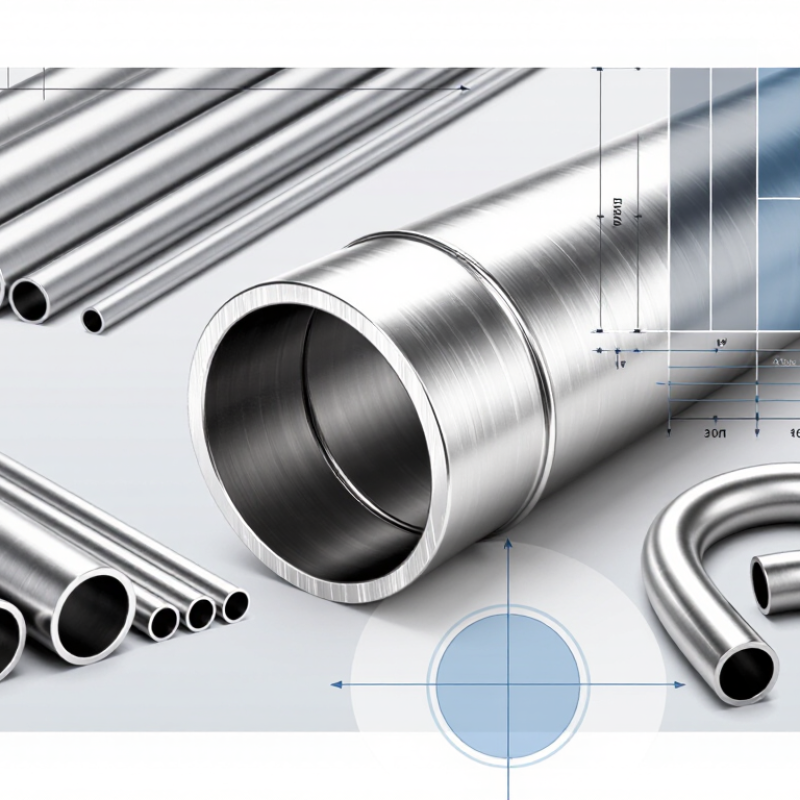
Material grade is a practical way to compare welded tantalum tubes. Commercially pure tantalum is selected for strong corrosion resistance and dependable performance in many chemical environments. Exact purity and impurity limits vary by specification, so the grade designation and material certificate matter. A tube’s weld seam does not replace this check.
Tantalum alloys offer different strength and temperature characteristics. Ta-2.5W and Ta-10W contain tungsten, which can improve strength compared with unalloyed tantalum. That added strength may suit components exposed to mechanical loads or elevated temperatures. It can also affect forming and fabrication choices. Grade names alone do not tell the whole story; wall thickness, service conditions, and weld quality matter too. A small mismatch can be costly.
Commercially pure tantalum welded tubes are made from tantalum strip formed into a cylinder and joined along a longitudinal seam. Their appeal is practical: tantalum resists many aggressive chemical environments and tolerates high temperatures. The USGS Mineral Commodity Summaries 2024 estimated global tantalum mine production at 2,100 metric tons in 2023. That figure describes the raw-material supply, not tube output, but it highlights why careful material traceability matters.
ASTM B521 covers seamless and welded tantalum and tantalum-alloy tubes. For commercially pure tubing, buyers should confirm the specified grade, dimensions, wall thickness, and inspection requirements against the project’s service conditions. A clean weld is essential. Look for consistent seam appearance, verified weld integrity, and records linking the tube to its material certificate. In practice, even a small seam defect can become a problem in corrosive service; visual inspection alone may not be enough. That deserves a second look. Heat exposure, forming strain, and surface contamination can also affect performance, so fabrication and handling controls should be documented. Welded construction can suit applications where dimensions and material use are closely managed, but it is not automatically interchangeable with seamless tubing.
Tantalum-tungsten alloy welded tubes combine tantalum’s strong corrosion resistance with added strength from tungsten. Commonly specified alloys include Ta-2.5W and Ta-10W, with the numbers indicating approximate tungsten content by weight. The right choice depends on temperature, chemical exposure, tube dimensions, and forming requirements. More tungsten does not automatically mean a better tube.
Welding quality matters. Tantalum can react with oxygen and nitrogen at high temperatures, so the weld area needs effective shielding during fabrication and cooling. A clean, even weld bead is useful to inspect, but appearance alone cannot confirm soundness. That matters. Buyers should check material traceability, dimensions, weld inspection records, and suitability for the intended service. In corrosive process equipment, a small defect may become a leak path over time.
These tubes can suit heat exchangers, chemical-processing lines, and other demanding environments. Yet the weld zone may respond differently from the parent metal, and design details such as wall thickness can affect performance. Not always. A careful specification should state alloy grade, operating conditions, and inspection expectations rather than relying on “tantalum-tungsten” as a complete description.
Tantalum-Niobium Alloy Welded Tubes
Tantalum-niobium alloy welded tubes suit demanding equipment where corrosion resistance and dependable fabrication matter. Their performance depends on alloy composition, tube dimensions, weld quality, and the service environment. Niobium content can affect strength and forming behavior, so buyers should specify the exact grade rather than rely on a broad alloy label. Small details matter. A faint discoloration beside a weld can signal inadequate shielding or surface contamination, both worth investigating before installation.
ASTM B521 covers seamless and welded tantalum and tantalum-alloy tubes; check its current edition when preparing a purchase specification. Request material traceability, dimensional records, and inspection details for the longitudinal seam. A representative coupon can also help assess the weld and finished surface. The USGS Mineral Commodity Summaries 2024 estimates global tantalum mine production at 2,200 metric tons in 2023, up from 2,100 in 2022. This is supply-chain context, not a measure of welded-tube demand or availability. One practical limitation: published alloy data may not predict performance in a specific chemical mixture, temperature cycle, or fabricated assembly. Test conditions should match actual service as closely as possible.
| Tube type | Representative composition | General characteristics | Typical application areas | Selection considerations |
|---|---|---|---|---|
| Commercially pure tantalum | Tantalum; no intentional niobium alloy addition | Known for high corrosion resistance in many chemical environments. It is generally more ductile than tantalum alloys, with properties affected by purity and processing. | Corrosion-resistant tubing, chemical-processing equipment, and heat-transfer components where the service conditions are compatible with tantalum. | Confirm the specific chemicals, concentration, temperature, and weld quality; tantalum is not resistant to every environment. |
| Ta–2.5Nb welded tube | Nominally 2.5% niobium, balance tantalum | A low-niobium tantalum alloy. Its mechanical and corrosion performance depends on composition, fabrication, and service conditions. | Specialty process tubing and equipment components requiring a tantalum-based alloy. | Specify the alloy chemistry and verify suitability against the actual process-fluid corrosion data. |
| Ta–10Nb welded tube | Nominally 10% niobium, balance tantalum | A tantalum-niobium alloy with a higher niobium content than Ta–2.5Nb. Properties should be established from the applicable material specification and product condition. | Custom corrosion-resistant or specialty-service tubing where the specified alloy composition is required. | Review the required mechanical properties, weld procedure, and chemical compatibility before choosing this composition. |
| Ta–40Nb welded tube | Nominally 40% niobium, balance tantalum | A niobium-rich tantalum-niobium alloy. Strength, ductility, and corrosion behavior vary with processing and the final product condition. | Specialty engineering applications that call for a niobium-rich Ta–Nb alloy in tubular form. | Do not assume it is interchangeable with commercially pure tantalum; confirm the alloy specification and application-specific performance. |
Composition figures are representative nominal values, not guaranteed product limits. Final chemistry, tube dimensions, tolerances, weld inspection, and mechanical requirements should be stated in the purchase specification and verified against the applicable material standard.
What Are the Top Types of Welded Tantalum Tubes?
Choosing a Tube Type for Its Intended Service
Welded tantalum tubes are commonly formed from sheet and joined along a straight longitudinal seam. Available options vary in diameter, wall thickness, surface finish, and material grade. The right choice depends less on a label than on the conditions inside and outside the tube. Tantalum resists many corrosive chemicals, but performance still depends on the specific medium, temperature, and fabrication quality. Details matter.
Tips: List the process fluid, operating temperature, pressure, and cleaning method before selecting a tube. Ask for weld inspection details and material traceability. A polished surface may help with cleaning, but it cannot compensate for an unsuitable grade or poor weld.
For a corrosive transfer line, confirm compatibility with the actual chemical concentration and temperature—not just the chemical’s name. For a heated assembly, consider thermal cycling, tube support, and the effects of expansion. Thin walls may reduce weight, yet leave less allowance for handling or fabrication. A drawing can look settled, then reveal a missing service detail. That is worth revisiting before production. Weld quality, dimensional tolerances, and the intended joining method should all be checked against the application.
The chart compares nominal intentional alloying additions by weight; it does not show residual impurities or guarantee a tube’s service performance. Commercially pure tantalum is commonly considered for corrosion-resistant equipment, while tungsten-bearing grades add strength. Choose a material only after checking the specific chemical environment, temperature, fabrication requirements, and applicable material specifications.