China Top 10 Chocolate Machine Manufacturers
Choosing a Chocolate machine manufacturer is a production decision, not just a price comparison. Capacity, temperature control, cleaning access, and after-sales support can shape daily output. The International Cocoa Organization (ICCO) estimated global cocoa grindings at about 4.99 million tonnes in the 2022/23 season. That figure reflects processing demand, not chocolate-machine sales. Still, it signals the scale of the industry these suppliers serve.
Market context matters, but equipment performance matters more. Grand View Research valued the global chocolate market at approximately US$119.39 billion in 2023. Its market report measures chocolate products, not manufacturing machinery. Buyers should therefore treat broad market growth as context, not proof that every machine supplier is a sound investment. A tempering line that holds stable temperatures through a busy shift may matter more than an impressive brochure.
Chocolate educator Ewald Notter’s technical teaching emphasizes the importance of controlled tempering for chocolate’s gloss, snap, and stability. That principle helps explain why this list considers more than machine specifications. It looks at product range, engineering capability, customization, and practical support. Rankings are imperfect. A compact enrober may suit a craft producer, while a larger plant needs continuous processing and dependable service. The manufacturers below offer different strengths, so the best choice depends on your product, volume, and operating conditions. Check each supplier’s claims against factory trials, documented specifications, and references from comparable installations. A careful comparison can prevent costly surprises.
China’s Chocolate Machine Manufacturing Industry
China Top 10 Chocolate Machine Manufacturers
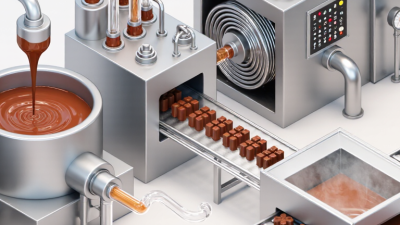
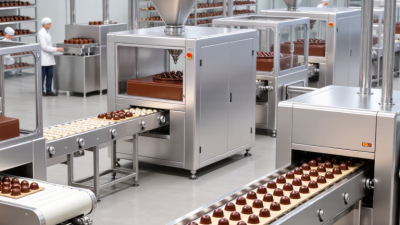
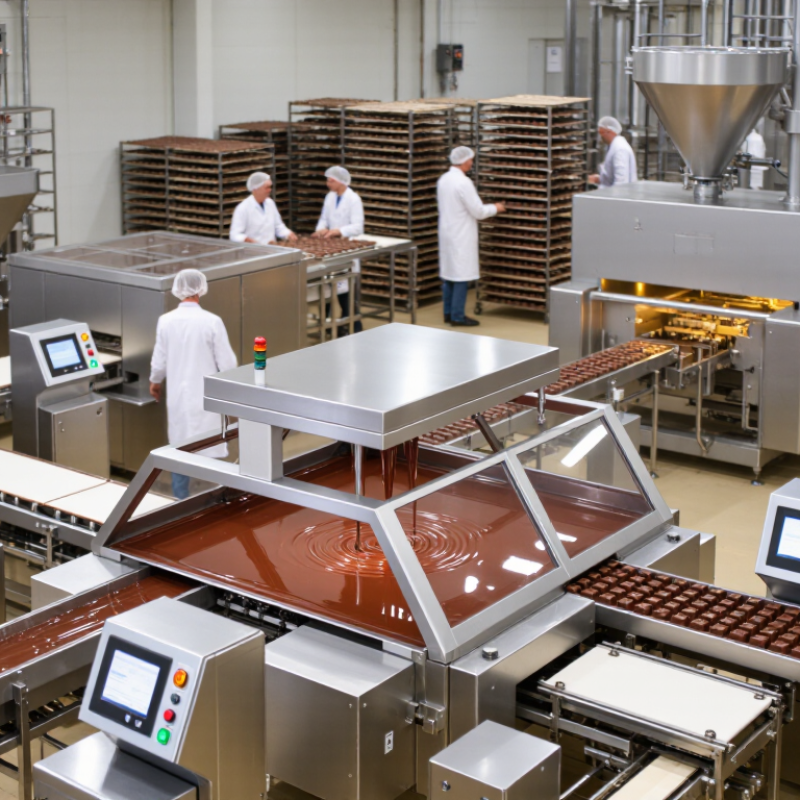
China’s chocolate machine manufacturing industry serves a wide range of production needs, from small workshops to automated factories. Its equipment commonly includes mixers, melters, tempering machines, enrobers, moulding lines, and cooling tunnels. These machines work as a system. A mismatch in temperature control or conveyor speed can affect the finish of the chocolate.
Practical buyers look beyond rated output. Ask how quickly a tempering unit stabilizes, whether product-contact surfaces are easy to clean, and what training is included. Request a trial using a recipe and mould similar to your own. Small details matter. A cooling tunnel that is too short, for example, may leave coated pieces soft at the discharge end.
Manufacturing capability varies between suppliers, so a polished catalog is not enough evidence. Check component specifications, inspection records, spare-parts availability, and the clarity of operating instructions. Remote support can be useful, but it may not replace timely on-site service. Not every line fits. Careful evaluation helps businesses compare Chinese manufacturers on process needs, reliability, and lifecycle costs rather than price alone.
Chocolate Machine Manufacturing: Typical Tempering Setpoints
Representative temperatures used during chocolate tempering, a key process handled by industrial chocolate equipment.
Temperatures are approximate reference points in °C. Exact tempering curves vary with recipe, ingredients, and equipment; follow the chocolate supplier’s specifications.
Main Types of Chocolate Production Equipment
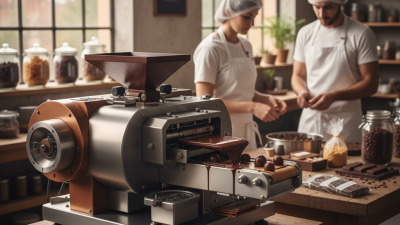
Chocolate production equipment usually follows the product from raw ingredients to wrapped pieces. A melter warms chocolate evenly, while a tempering machine controls its crystal structure for a smooth finish and clean snap. Refiners reduce particle size; conches mix and develop flavor. Small details matter.
Tips: Check capacity at each stage, not just the melter’s stated output. A depositor may fill molds with shells or centers, while a cooling tunnel sets them at a controlled temperature. For coated products, an enrober spreads chocolate over bars or biscuits. A vibrating table can help release air bubbles from filled molds. Keep space for cleaning and routine maintenance.
Packaging equipment seals finished pieces in film, foil, or cartons. The right setup depends on recipes, batch size, and the shapes you plan to make. Ask suppliers for test runs using your actual chocolate and molds. A tidy equipment list can still be misleading: one slow cooling stage may limit the whole line. It is easy to overlook that constraint.
How to Evaluate Chocolate Machine Manufacturers
China Top 10 Chocolate Machine Manufacturers
How to Evaluate Chocolate Machine Manufacturers
A manufacturer’s catalogue is only a starting point. Compare machines against your recipe, target output, and available floor space. The International Cocoa Organization’s Quarterly Bulletin of Cocoa Statistics reported global cocoa grindings of roughly 4.8 million tonnes in the 2023/24 cocoa year. That scale makes reliable throughput important, but a quoted hourly capacity means little without test conditions. Ask for a trial using your chocolate’s viscosity, working temperature, and batch size. Watch the tempering curve and check whether the machine holds temperature during a full run.
Inspect the details. Are product-contact parts clearly specified? Can operators remove pumps and pipes for cleaning without awkward tools? Check guards, emergency stops, temperature sensors, and access to replacement parts. Ask for documented acceptance tests, maintenance schedules, and operator training. Request actual noise and energy figures where available, not just sales estimates. A sample run helps, though it cannot reproduce every production shift.
Look for clear service response times and written warranty terms. Check references from factories with similar products and production volumes. I would also ask to see the machine after cleaning; brochures rarely show that part. A small concern: buyers can overvalue speed and overlook changeover time. That mistake is easy to make.
Profiles of Ten Chinese Chocolate Machine Manufacturers
These ten profiles offer a capability-based view of Chinese chocolate machine manufacturers, not a verified ranking. Each profile highlights a different production need, from small-batch trials to continuous factory output. Buyers should confirm specifications, service coverage, and food-contact materials directly with suppliers. Details matter.
One manufacturer may focus on compact melangers and tempering units for pilot kitchens. Another may build moulding lines with heated hoppers and adjustable depositing heads. A third may specialize in enrobing equipment, where a steady curtain of chocolate helps coat biscuits evenly. Some suppliers combine mixers, refiners, and conches for multi-stage processing. Others design cooling tunnels with adjustable belt speeds and temperature zones. Small workshops may value simple controls. Large plants may need integrated line monitoring.
A sixth profile could suit nut or filling preparation, with dosing equipment matched to product viscosity. A seventh may offer mould cleaning and handling systems that reduce manual transfers. An eighth may focus on bar production, including mould filling and vibration tables. A ninth may build packaging equipment around existing line speeds. The tenth may provide custom layouts for limited factory floors. These distinctions are useful, but not guarantees. Ask for sample runs, maintenance instructions, and clear capacity figures before comparing proposals.
Industry Trends and Key Factors for Buyers
Chocolate machine manufacturing is shifting toward flexible, data-aware production.
Buyers increasingly compare automated tempering, molding, cooling, and enrobing systems rather than single machines. Servo controls can help keep deposit weights consistent, while recipe storage makes changeovers easier. Energy use matters, too, especially for cooling tunnels that run through long shifts.
Details matter.
For buyers, capacity figures are only a starting point.
Ask how output changes with your actual chocolate viscosity, mold size, and target bar weight. Run a trial. Watch the product move through the line, then check finish, weight variation, and changeover time. Ask for cleaning instructions, spare-parts lead times, operator training, and local service coverage. These factors can affect production more than a small difference in purchase price.
A well-designed line should fit the room, staff skills, and planned product range.
Check floor space, electrical requirements, cooling needs, and how easily guards and contact surfaces can be reached. Request clear acceptance criteria before installation. A polished demonstration can be useful, but it may not reveal cleaning delays or performance during a full shift. No checklist replaces a realistic production test, and even a careful test cannot predict every future recipe.