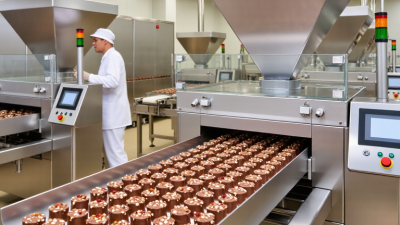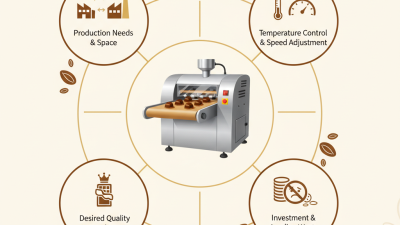
China Top 10 Oatmeal Chocolate Moulding Machine Suppliers

China’s confectionery producers are responding to demand for products with varied textures, convenient formats, and recognizable ingredients. Oats add a distinct bite, but they also complicate forming and depositing. Flakes can shift in a hopper, while chocolate viscosity changes with temperature. Small process details matter.

Grand View Research estimated the global chocolate market at USD 119.39 billion in 2023, with continued growth projected through 2030. That figure describes chocolate products, not machinery sales. Still, it signals the scale of the market that equipment suppliers serve. For manufacturers, reliable oatmeal chocolate moulding machines must handle consistent dosing, controlled cooling, and repeatable release from moulds. A clean finish is not enough if each piece varies in weight.

This guide introduces ten suppliers in China and offers practical points for comparing them. These include machine configuration, mould options, output claims, control systems, and after-sales support. Ask for product samples or a running test where possible. A specification sheet alone cannot show how oat flakes behave during production. Not every line fits every recipe. Supplier information can also change, so verify current models, service coverage, and delivery details directly. The comparison is a starting point, not an endorsement; actual results depend on ingredients, recipe, and operating conditions.
China Top 10 Oatmeal Chocolate Moulding Machine Suppliers

What Is an Oatmeal Chocolate Moulding Machine?

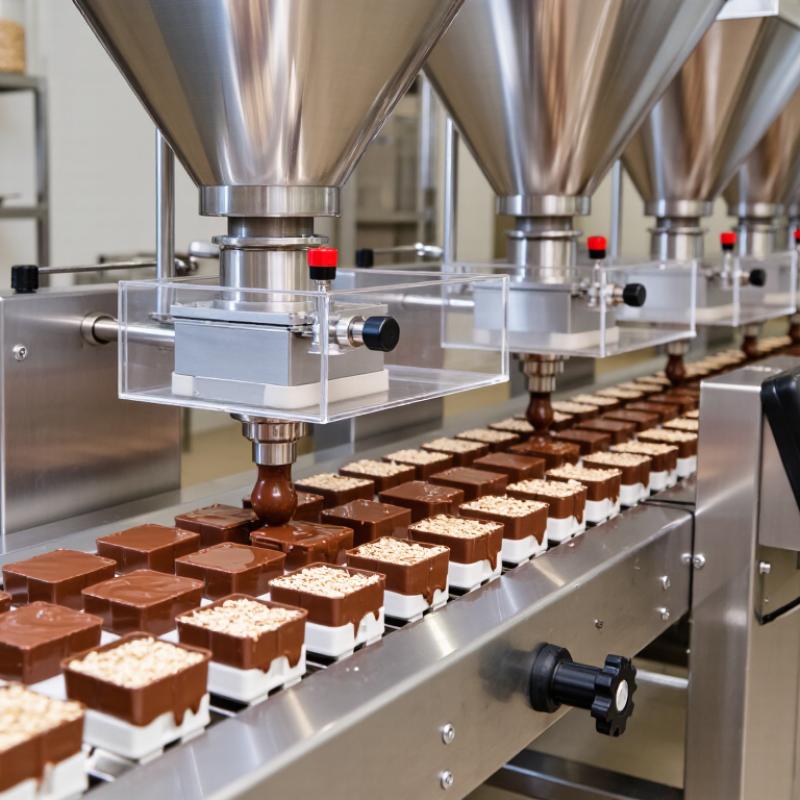
An oatmeal chocolate moulding machine is food-processing equipment that portions a chocolate-and-oat mixture into shaped products. Depending on the recipe, oats may be mixed into the chocolate or added as a separate layer. A typical setup includes a temperature-controlled hopper, a dosing head, moulds, and a cooling section. Each part has a practical job. The hopper keeps chocolate workable, while the depositor controls how much enters each cavity. Small changes matter.

Operators may use bar, square, or bite-sized moulds. The mixture needs a suitable flow: coarse oats can block narrow outlets, while overheated chocolate may set slowly or lose its intended finish. A steady feed and consistent mould temperature help products form evenly. Cooling time also depends on piece thickness, room conditions, and the chocolate formulation. There is no single setting for every batch.

During production, staff check portion weight, surface appearance, and whether pieces release cleanly. They inspect contact surfaces and follow the equipment maker’s cleaning and maintenance instructions, especially around heated lines and dosing nozzles. Hygienic design matters. A machine cannot correct stale oats, poor tempering, or an unstable recipe. That part is easy to underestimate. Recording temperatures and batch results during trials gives operators useful clues, though records do not replace experienced judgment. A little trial and error remains.

How Oatmeal Chocolate Moulding Machines Work

An oatmeal chocolate moulding machine turns a prepared chocolate-and-oat mixture into uniform pieces through controlled depositing, cooling, and release. Chocolate is melted and tempered before it reaches the depositor. Tempering helps the finished pieces develop a firm snap and smooth surface. Oats are blended in at a measured rate, since uneven flakes can interrupt flow or collect near the hopper outlet.

Small details matter.

The mixture enters heated pipes and is deposited into mould cavities. A vibrating table can help it settle into corners and release trapped air. Operators check fill levels and watch for flakes that bridge openings. The filled moulds then travel through a cooling tunnel, where steady airflow helps the chocolate set without sudden temperature changes. Cooling time depends on piece size, recipe, and equipment settings.

Once firm, the pieces are released from the moulds and inspected for incomplete fills, surface marks, or broken edges. Sensors and temperature controls support consistency, but they do not replace routine checks. Oat size and moisture can vary between batches, so a setting that worked yesterday may need adjustment today. That part is easy to underestimate. Cleaning the hopper, pipes, and depositor between runs also helps prevent residue from affecting later batches.

China’s Oatmeal Chocolate Moulding Equipment Market

China’s oatmeal chocolate moulding equipment market serves producers making bars, clusters, filled pieces, and bite-sized snacks. The equipment must handle chocolate consistently while allowing for oat flakes, crisped grains, or other inclusions. These ingredients can vary in size and absorb moisture, affecting texture and flow. Small details matter.

A typical production line may include chocolate melting and tempering, ingredient mixing, depositing, moulding, and cooling. Buyers should check whether the depositor can distribute oat pieces evenly without clogging or crushing them. Ask for trials using the intended recipe, mould size, and inclusion ratio. A smooth sample made with plain chocolate proves little. That sounds simple, but it isn’t.

Supplier comparisons in China are more useful when based on measurable operating needs than on catalogue claims. Review output per hour, temperature control, changeover time, cleaning access, and availability of technical support. Request sample products and process records where possible. Not always. A compact line may suit a small workshop, while a larger plant may need automated feeding and cooling capacity. The trade-off is real: more automation can improve consistency, but it also raises setup and maintenance demands. Check how the machine handles recipe variation before settling on a configuration.

Criteria for Evaluating Chinese Machine Suppliers

When comparing Chinese oatmeal chocolate moulding machine suppliers, start with the product and process, not the brochure. Ask whether the machine handles your chocolate viscosity, oat inclusions, target piece size, and daily output. Details matter. A supplier should explain how heating, depositing, cooling, and demoulding work together, rather than quoting capacity without the test conditions.

Request a trial using your actual recipe or a close sample. Check whether oat pieces settle, whether portions stay consistent, and whether finished pieces release cleanly from the moulds. Ask for measured output, temperature records, and sample products from a recent run. Photos are useful, but they cannot show a full production cycle. I have seen buyers focus on speed and overlook cleaning access; that is an easy mistake to make. Inspect contact surfaces, drainage, and the time needed to change moulds.

Evaluate the supplier’s engineering and after-sales support with equal care. Request drawings, electrical details, operating instructions, spare-parts lists, and a clear warranty scope. Ask who handles installation, staff training, and troubleshooting, and how quickly common replacement parts can be supplied. Speak with comparable customers where possible, while recognizing that one reference may not reflect every factory’s experience. A polished machine is not enough. Look for repeatable test results and answers that remain consistent across technical and sales discussions. If an answer is vague, record it and ask again before comparing quotations.

China Top 10 Oatmeal Chocolate Moulding Machine Suppliers - Criteria for Evaluating Chinese Machine Suppliers

Use this comparison framework to assess up to ten suppliers. Enter supplier-specific figures only after obtaining quotations, technical documents, and verification records; no supplier performance data is assumed here.

No. Evaluation dimension Data to collect How to evaluate Evidence to request
1 Product and process fit Supported product types, mould formats, production process, and changeover requirements Confirm the proposed machine can handle the buyer’s actual recipe, product dimensions, and production workflow. Technical proposal, process flow diagram, sample-trial plan
2 Verified output capacity Quoted output per hour, operating conditions, and product assumptions Compare like-for-like figures and confirm output through a witnessed trial using the intended product and mould. Machine specification, factory acceptance test (FAT) protocol and results
3 Product quality and consistency Product weight, dimensions, appearance, and agreed acceptance tolerances Set measurable acceptance limits before testing; inspect samples taken throughout a production run. Trial samples, inspection records, agreed quality criteria
4 Food-contact materials and hygiene design Material grades for product-contact parts, surface finish, drainage, and cleaning access Check materials and design against the food-contact rules applicable in the destination market and the buyer’s sanitation procedures. Material declarations, relevant test reports, cleaning instructions
5 Temperature and process control Controlled process zones, temperature ranges, sensors, and control settings Verify the stated control range and stability during a trial under the buyer’s specified operating conditions. Control-system description, calibration records, trial data
6 Electrical and machine safety Electrical supply, guarding, emergency stops, and applicable conformity documentation Match the machine configuration to the installation site and verify compliance requirements for the destination country. Electrical drawings, risk assessment, applicable declarations and test records
7 Utilities and installation requirements Voltage, frequency, power, compressed air, cooling, footprint, and environmental conditions Check every requirement against the intended factory’s available utilities and layout before ordering. Utility schedule, general arrangement drawing, installation manual
8 Reliability and maintainability Recommended maintenance tasks, wear parts, service intervals, and spare-parts availability Review the maintenance plan and identify critical parts, replacement lead times, and required operator skills. Maintenance schedule, spare-parts list, warranty terms
9 Supplier experience and references Comparable installations, commissioning history, and customer references Confirm references independently and compare the cited applications with the buyer’s product and operating scale. Reference contacts, redacted project records, factory or remote audit
10 Commercial terms and after-sales support Price scope, delivery schedule, payment milestones, warranty, training, and service response arrangements Compare quotations on the same scope and clarify exclusions, responsibilities, and support time zones. Itemized quotation, draft contract, warranty and service documents

Note: Supplier rankings and machine performance figures should be based on verified quotations, documents, and acceptance tests rather than unsupported estimates.

Profiles of China’s Top 10 Oatmeal Chocolate Moulding Machine Suppliers

Profiles of China’s top ten oatmeal chocolate moulding machine suppliers should help buyers compare capabilities, not just equipment photos. A useful profile explains whether a supplier builds depositing, slab-forming, or combined moulding lines. It should also describe output range, mould dimensions, temperature control, and cleaning access. These details matter when oatmeal flakes vary in size and chocolate viscosity changes with room temperature.

Look for evidence behind each profile. Factory videos, layout drawings, and test records can clarify how a machine handles ingredients without damaging their texture. Ask about food-contact materials, spare-part availability, installation support, and operator training. A supplier may offer attractive customization, but unclear lead times deserve follow-up. No profile can confirm performance under your exact recipe; a sample trial is more dependable. Some published details may be incomplete. That is worth noting.

Tips: Send the same oatmeal-and-chocolate recipe to each shortlisted supplier. Request a trial run, finished-product photos, and measured output per hour. Check whether cleaning requires special tools, and ask for written service terms. A clear comparison sheet makes differences easier to spot.

China Top 10 Oatmeal Chocolate Moulding Machine Suppliers

Chocolate tempering temperatures are a practical reference when evaluating moulding equipment. Ranges are approximate and vary with recipe and production conditions; this chart does not compare individual suppliers.

Temperature ranges shown are general process references in °C. Confirm operating settings with the chocolate formulation and machine manufacturer.